Unlock Restaurant-Quality Stir Fry at Home: The Secret to Crisp Veggies & Umami Sauce
Imagine a weeknight dinner that rivals your favorite Asian-inspired restaurant – vibrant, crisp vegetables, coated in a deeply savory, glossy sauce, all ready in under 30 minutes. If you’ve ever found yourself staring at a fridge full of fresh produce, yearning for a quick, delicious, and healthy meal, then mastering the art of the stir fry is your culinary superpower. This isn't just about throwing ingredients into a pan; it's about understanding a few key techniques that transform simple `stir fry veggies` into an extraordinary dish. The magic lies in a combination of high heat, meticulous preparation, and a perfectly balanced, umami-packed sauce that clings beautifully to every bite. Forget soggy vegetables and bland flavors; we’re about to reveal the secrets to achieving that coveted restaurant-quality texture and taste right in your own kitchen. Whether you’re looking for a quick meal, a way to use seasonal produce, or a nourishing plant-based option, a well-executed stir fry delivers every time.The Foundation of Flavor: Mastering Your Stir Fry Sauce
A truly great stir fry hinges on an exceptional sauce. It’s the backbone of the dish, providing that irresistible umami punch and glossy finish. While many store-bought options exist, a homemade stir fry sauce is surprisingly simple to whisk together and offers unparalleled freshness and control over ingredients. The ideal stir fry sauce strikes a delicate balance between savory, sweet, and tangy, with a luxurious body that coats rather than pools. Here’s a breakdown of the essential components and why they work:- The Umami Core: Soy sauce (or tamari for a gluten-free option, or coconut aminos for a paleo-friendly alternative) is non-negotiable. It provides a profound savory depth. Vegetable broth also contributes to the liquid base and enhances flavor without adding too much sodium.
- A Touch of Sweetness: A hint of honey or maple syrup balances the savory notes and helps achieve that beautiful caramelization when it hits the hot pan. For a vegan stir fry, maple syrup is the perfect substitute for honey.
- Aromatic Boosters: Freshly minced garlic and grated ginger are the heart of any good Asian-inspired sauce. Their pungent, aromatic qualities infuse the entire dish with vibrant flavor. Don’t skip them!
- The Thickener: Cornstarch is your secret weapon for that perfect glossy texture. Whisked into the cold liquids, it prevents clumping and allows the sauce to thicken beautifully as it cooks, ensuring it clings to your `stir fry veggies` rather than running off.
The Secret to Crisp Stir Fry Veggies: Technique is Key
The hallmark of a great stir fry is perfectly cooked vegetables: vibrant in color, crisp-tender, and never soggy. Achieving this texture requires attention to detail, but it’s remarkably simple once you know the tricks.1. Mise en Place – Prepare Everything First: Stir frying is a rapid-fire cooking method. Once the heat is on, there's no time to chop. Have all your vegetables prepped, your sauce mixed, and any proteins ready to go *before* you even turn on the stove. This is critical for success.
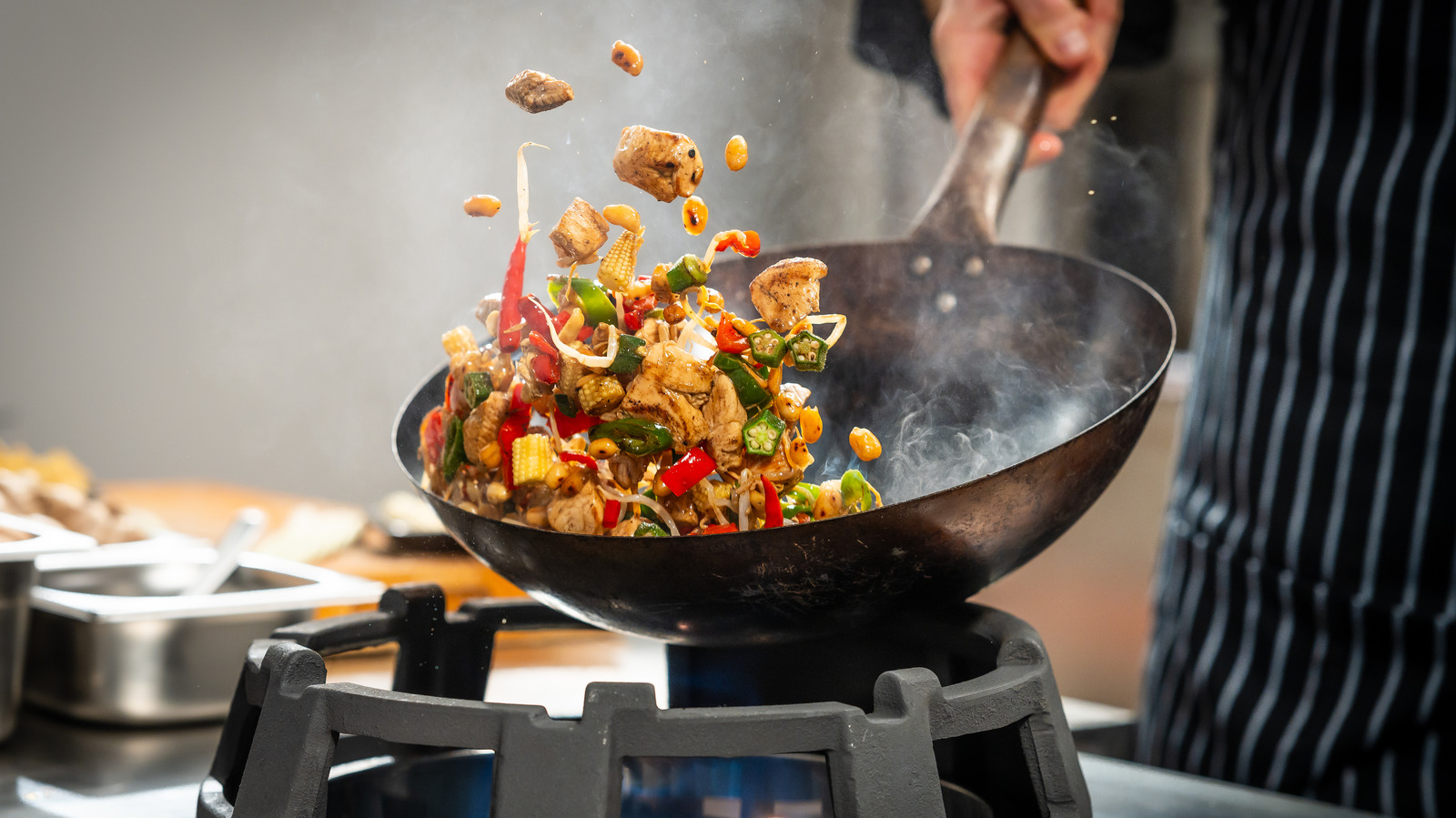
2. The Right Tools & High Heat: A screaming hot wok is traditional, but a large, heavy-bottomed skillet or cast-iron pan can also work wonders. The key is to get your cooking vessel extremely hot before adding oil. This high heat is crucial for searing the vegetables quickly, developing flavor through the Maillard reaction, and preventing them from steaming and becoming limp.
3. Don't Overcrowd the Pan: This is perhaps the most common mistake. Adding too many `stir fry veggies` at once drops the temperature of the pan, causing the vegetables to steam rather than fry. Cook in batches if necessary, removing earlier batches to a separate bowl and adding them back in at the end.
4. Cut for Success & Cook in Stages: Different vegetables have different cooking times. To ensure even cooking and ideal texture, cut your vegetables into similar, bite-sized pieces. Here’s a general order for adding common `stir fry veggies`:
- First (Harder Veggies): Carrots (thinly sliced or julienned), broccoli florets (cut evenly), asparagus spears, and even mushrooms (though they cook faster, adding them early allows them to soak up more flavor). Sauté these for a few minutes until they start to soften slightly but still have a bite.
- Second (Medium-Hard Veggies): Bell peppers (red or yellow add natural sweetness and retain crispness well), sugar snap peas (a personal favorite for their satisfying crunch), and other greens like bok choy stems. Cook for another 2-3 minutes.
- Last (Quick-Cooking Veggies & Aromatics): Spinach, baby bok choy leaves, and water chestnuts (for extra crunch) should be added right at the end. If adding fresh aromatics like more garlic or ginger directly to the pan (separate from the sauce), add them just before the sauce to prevent burning.
By following this staged approach, you ensure every vegetable reaches its crisp-tender peak, retaining its vibrant color and satisfying crunch. This technique makes your `stir fry veggies` truly shine!
Beyond the Basics: Customization & Convenience
One of the greatest joys of stir frying is its incredible adaptability. It’s a meal-prep dream and a go-to for customizable veggie stir fry: healthy, vegan & GF options for all.- Endlessly Customizable Veggies: Don't limit yourself to spring produce! While snap peas, asparagus, and bell peppers are fantastic, you can swap in almost any vegetable you have on hand. Think zucchini, snow peas, green beans, cabbage, kale, bamboo shoots, or even frozen mixed vegetables. The same principles of high heat and staged cooking apply.
- Adding Protein: While delicious as a purely plant-based meal, a stir fry is also an excellent vehicle for protein. Add cubed chicken, sliced beef, shrimp, or firm tofu (pressed and cubed) to the hot pan before the vegetables. Cook until browned and mostly cooked through, then remove and set aside, adding it back with the sauce.
- Dietary Flexibility: As mentioned, the sauce can easily be made vegan (maple syrup for honey) and gluten-free (tamari for soy sauce). The dish is naturally packed with fiber, vitamins, and minerals from all those colorful `stir fry veggies`, making it a wonderfully nutritious choice for any diet.
- One-Pan Cleanup: Everything cooks in a single wok or large skillet, minimizing post-dinner chores. This simple fact elevates stir fry to a true weeknight hero.
- Meal Prep Friendly: Beyond making the sauce ahead, you can chop all your vegetables up to a day in advance and store them in airtight containers in the fridge. This makes the actual cooking process incredibly fast when you're ready to eat.
